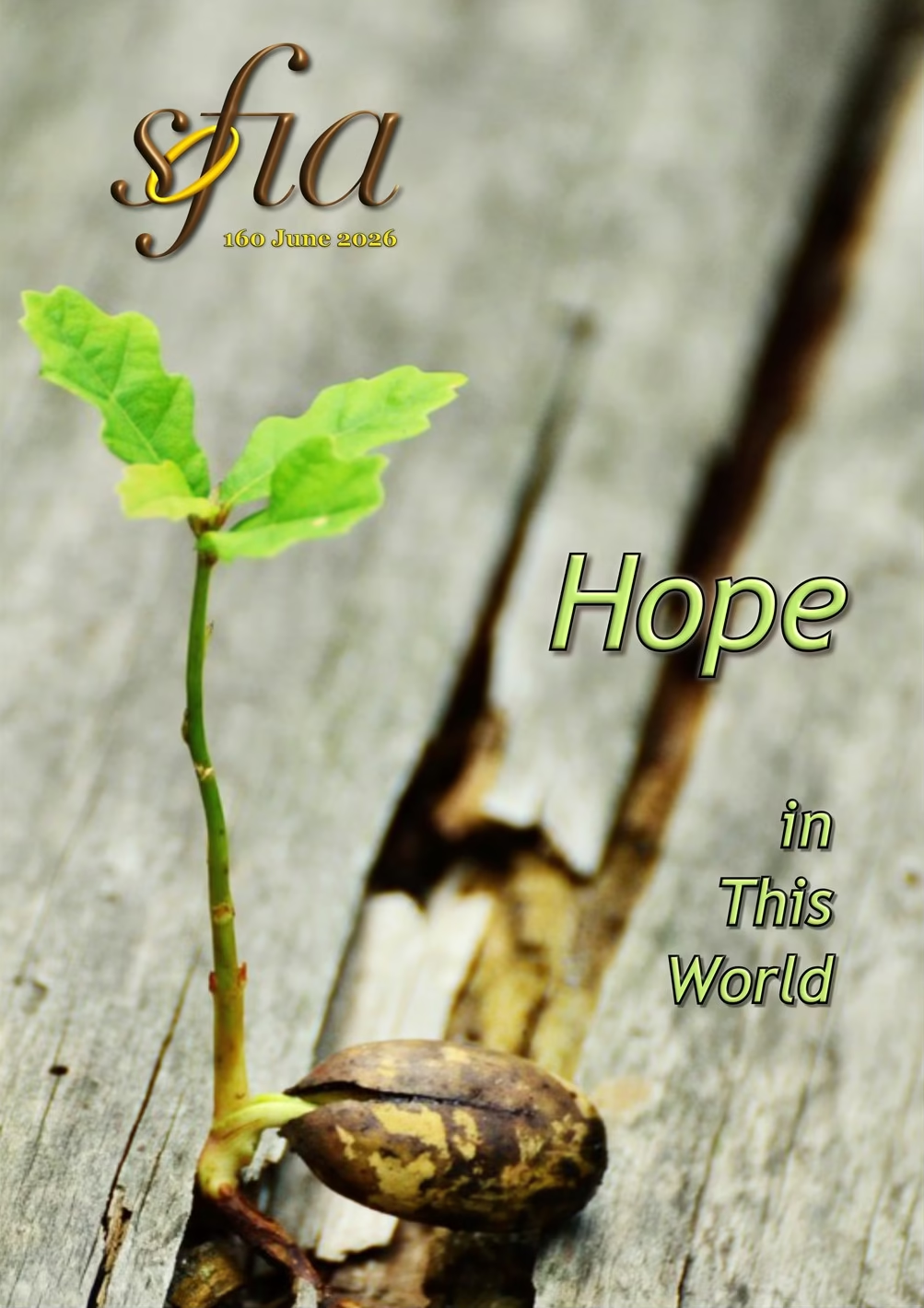
Martin Spence reports on an Oxford conference on religious humanisms, covering Islamic and African Christian perspectives, and says it led him to reconsider his view that humanism has a single historical meaning.
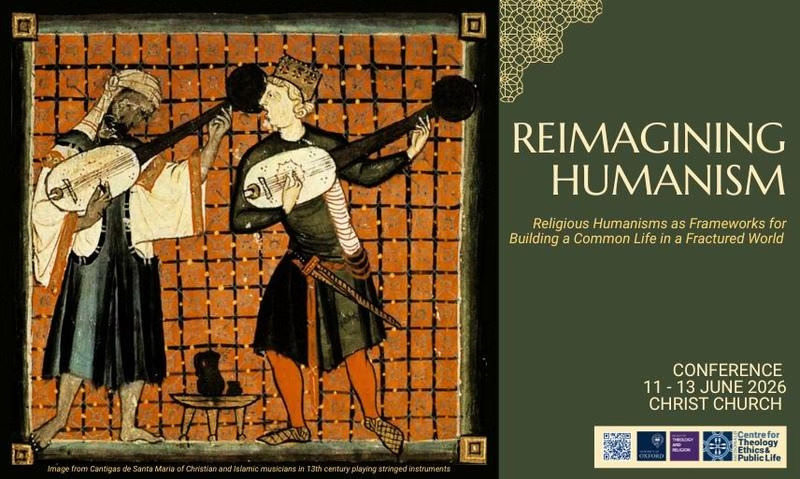

Martin Spence reports on an Oxford conference on religious humanisms, covering Islamic and African Christian perspectives, and says it led him to reconsider his view that humanism has a single historical meaning.

Interview with Quaker theologian Ben Wood on Quaker studies, liberal politics, dual membership of Quakers and Druids, interfaith humility, prayer, and grace as a basis for hope and social action.

Katy Jennison, a Wiccan and solitary practitioner, describes her full-moon ritual: the circle, the four elements and their meanings, calling on deities understood as true but not literally factual, and magical work as personal transformation.

Editors’ list of recommended 2026 books under headings: biblical study, Buddhism, Christianity, Judaism and politics, including Stephen Batchelor, Nadeem Nassar, Molly Crabapple and Rowan Williams.

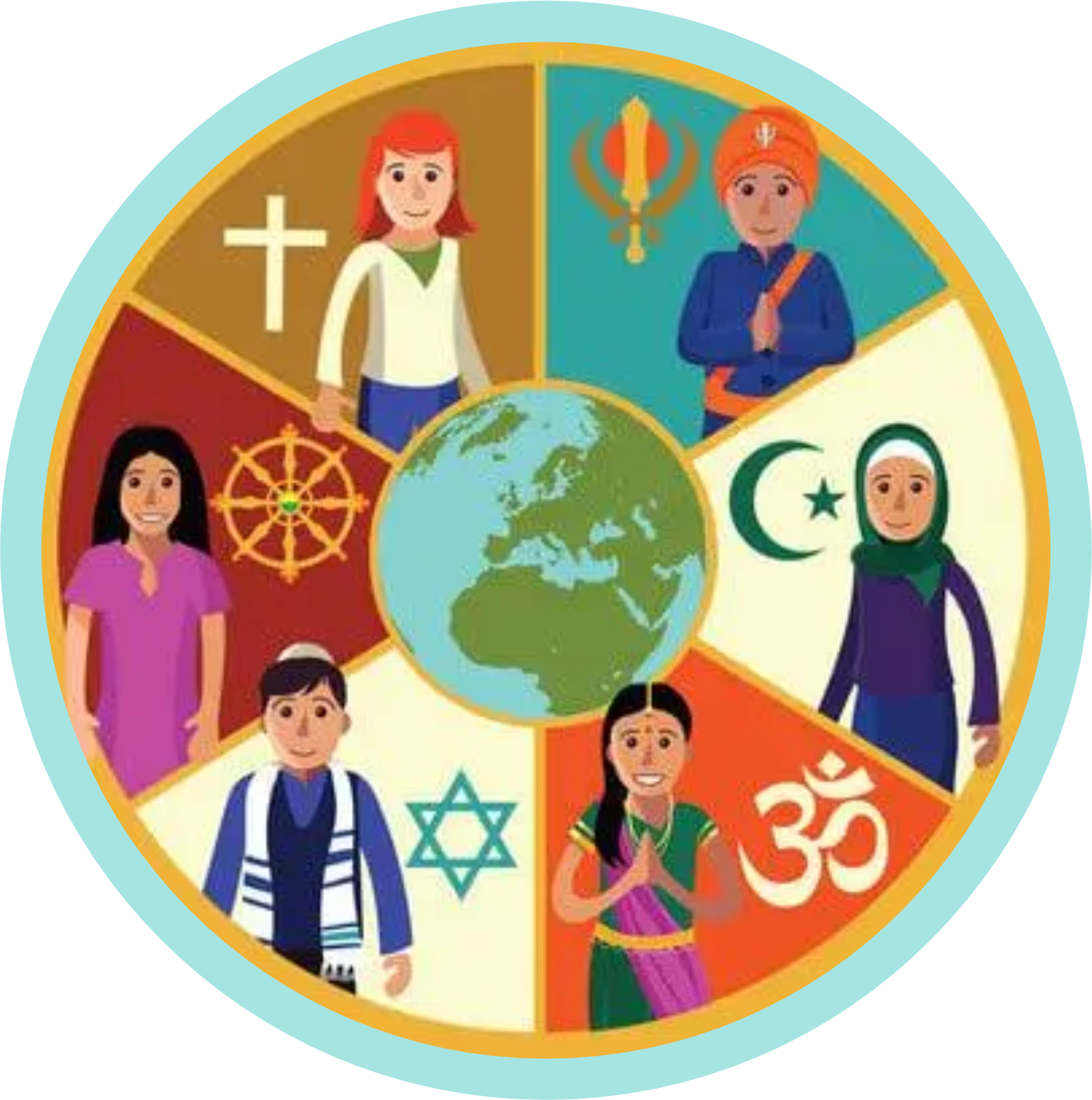
Network Matters column on the Network’s educational charity purpose and Sofia’s aims. It reviews critiques of the World Religions Paradigm, lived religion, religious literacy and the Religion and Worldviews approach.

Sister Isabel Smyth recounts a lifetime of interfaith engagement, including Hindu scriptures, Christian-Buddhist encounters and retreats with Thich Nhat Hanh, and concludes that doctrines are inadequate expressions of a shared Mystery.
Łukasz Liniewicz traces the International Association for Religious Freedom from the 1901 London congress to its UN work, its decline and its recent revival around community, education and advocacy.
Editorial marking 125 years since the 1901 liberal religious congress in London. It discusses faith and reason through Aquinas’s ‘living faith’, links this to ethics-centred religion, and introduces the issue’s contents and the new editor’s plans.

Syed Mustafa Ali argues that appeals to nonviolence can work as a form of white supremacy, and that counterviolence, as in Palestinian armed struggle, may be necessary to end oppression, drawing on Fanon, Malcolm X and Shoatz.
Paul Overend outlines Johan Galtung’s distinction between direct, structural and cultural violence. He applies Galtung’s view of ‘chosenness’ in transcendent religion as cultural violence, citing Israel and the Palestinians.