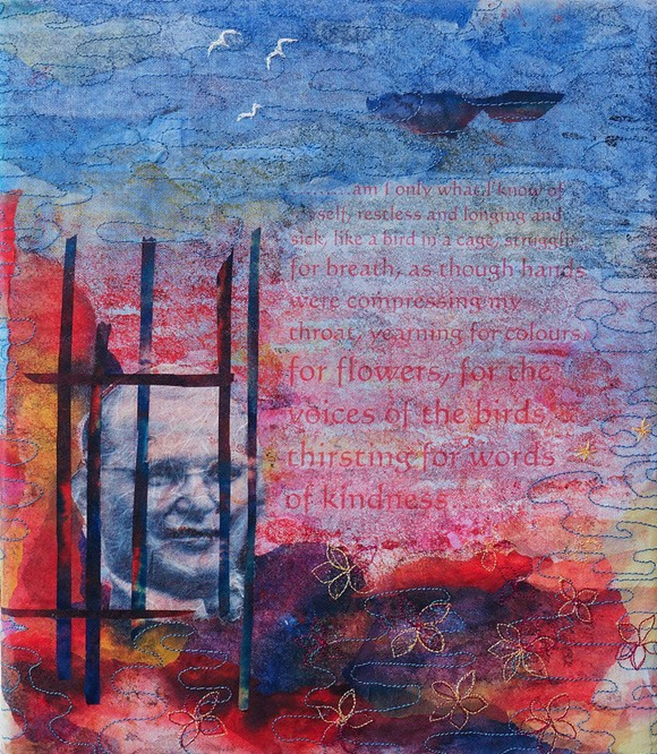
Žižek’s reading of Melville’s Bartleby (‘I would prefer not to’) as resistance that steps outside the system rather than opposing it. The author applies this to Jesus, the Kingdom of God and a church captured by neoliberal methods.
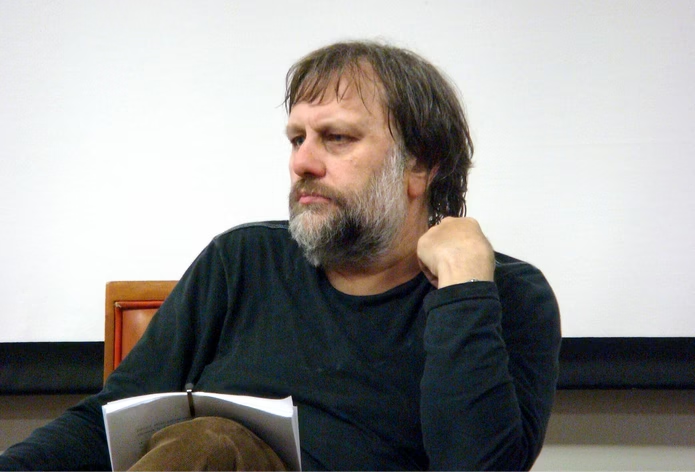

Žižek’s reading of Melville’s Bartleby (‘I would prefer not to’) as resistance that steps outside the system rather than opposing it. The author applies this to Jesus, the Kingdom of God and a church captured by neoliberal methods.

Interview with Simon Cross, chair of the Progressive Christianity Network, on moving from evangelical faith to a processual, political reading of Jesus, shaped by bereavement, meditation and communities of resistance.

Examines Bonhoeffer’s theology: Christ at the centre, commitment to this world, responsibility rather than ‘the good’ in ethics, and ‘religionless Christianity’ in a world come of age; the author does not share his realism.

Outlines the life of Dietrich Bonhoeffer, from the Confessing Church and the Abwehr plot against Hitler to his execution in 1945, prompted by a film that the author says invents episodes.
Anthony Freeman argues, using prototype theory from cognitive psychology, that Anglicans and Catholics should drop rigid definitions of ‘church’ and ministry, prompted by Cardinal Ratzinger’s note on sister churches.

Describes Richard Acland, Christian socialist baronet, Common Wealth Party founder, Labour MP and CND founder, who gave his estates to the National Trust.
Reviews Adrian Thatcher’s Vile Bodies, which examines how Christian teaching has vilified bodies and sex, from Leviticus and Paul to modern anatomy, and offers a post-abusive theology.
Letter from Stephen Mitchell arguing that Church of England bishops no longer believe in an interventionist God ‘out there’ and should say so, to free the Church from an oppressive image of God.
Obituary of Hugh Dawes, radical Church of England priest, author of Freeing the Faith and founder of the Progressive Christianity Network Britain, who was attacked by traditionalists and kept his orders.
Edward Nickell reviews Harvey and Woodhead’s Unknowing God, essays on how theology itself can be abusive, with chapters on resurrection and on environment; he sees it as a warning to the church.