Andy Kemp reviews Clare Carlisle’s Transcendence for Beginners, which links life writing and philosophy and finds transcendence in everyday devotion and love, an approach he relates to Don Cupitt’s immanent rethinking of transcendence.
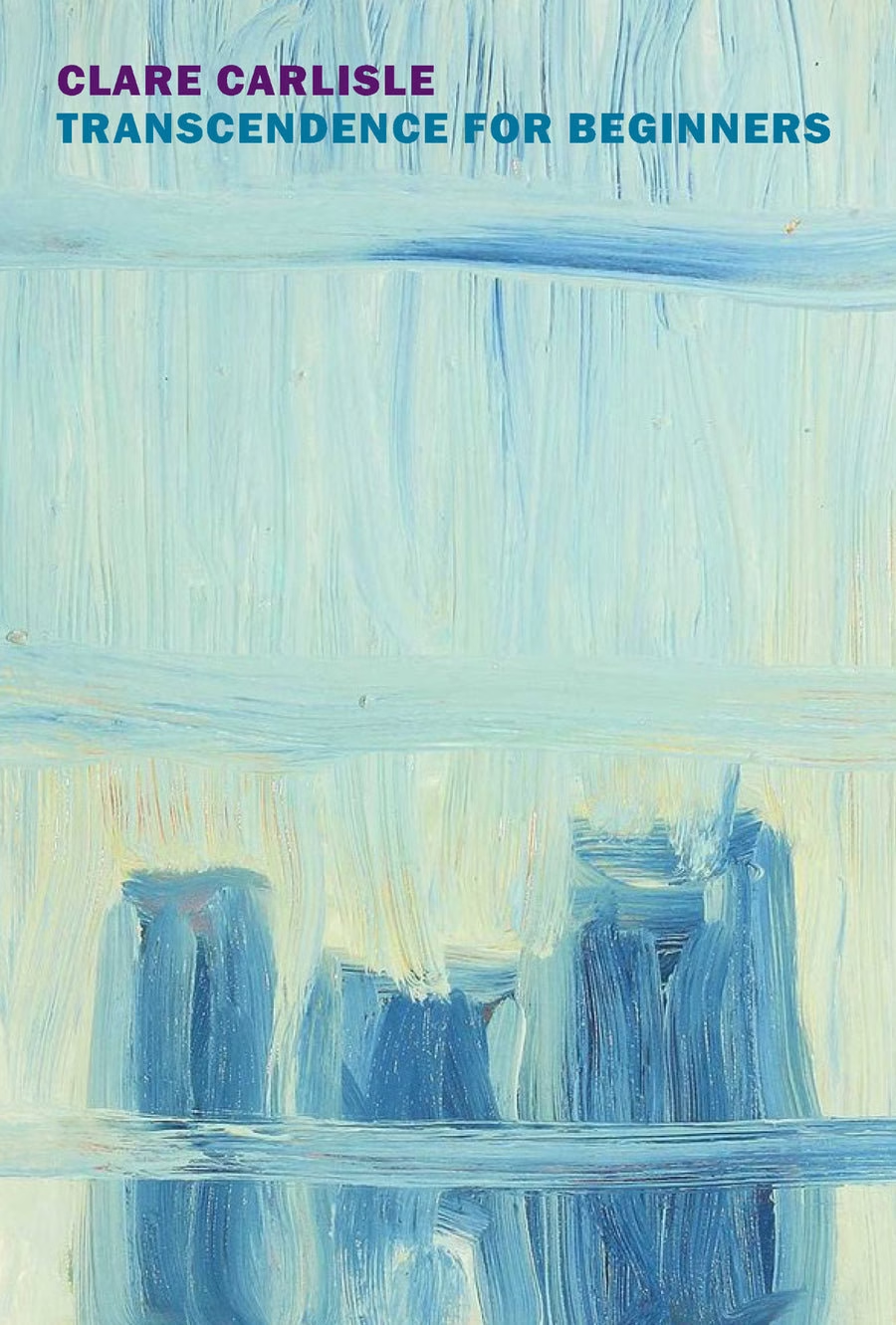

Andy Kemp reviews Clare Carlisle’s Transcendence for Beginners, which links life writing and philosophy and finds transcendence in everyday devotion and love, an approach he relates to Don Cupitt’s immanent rethinking of transcendence.

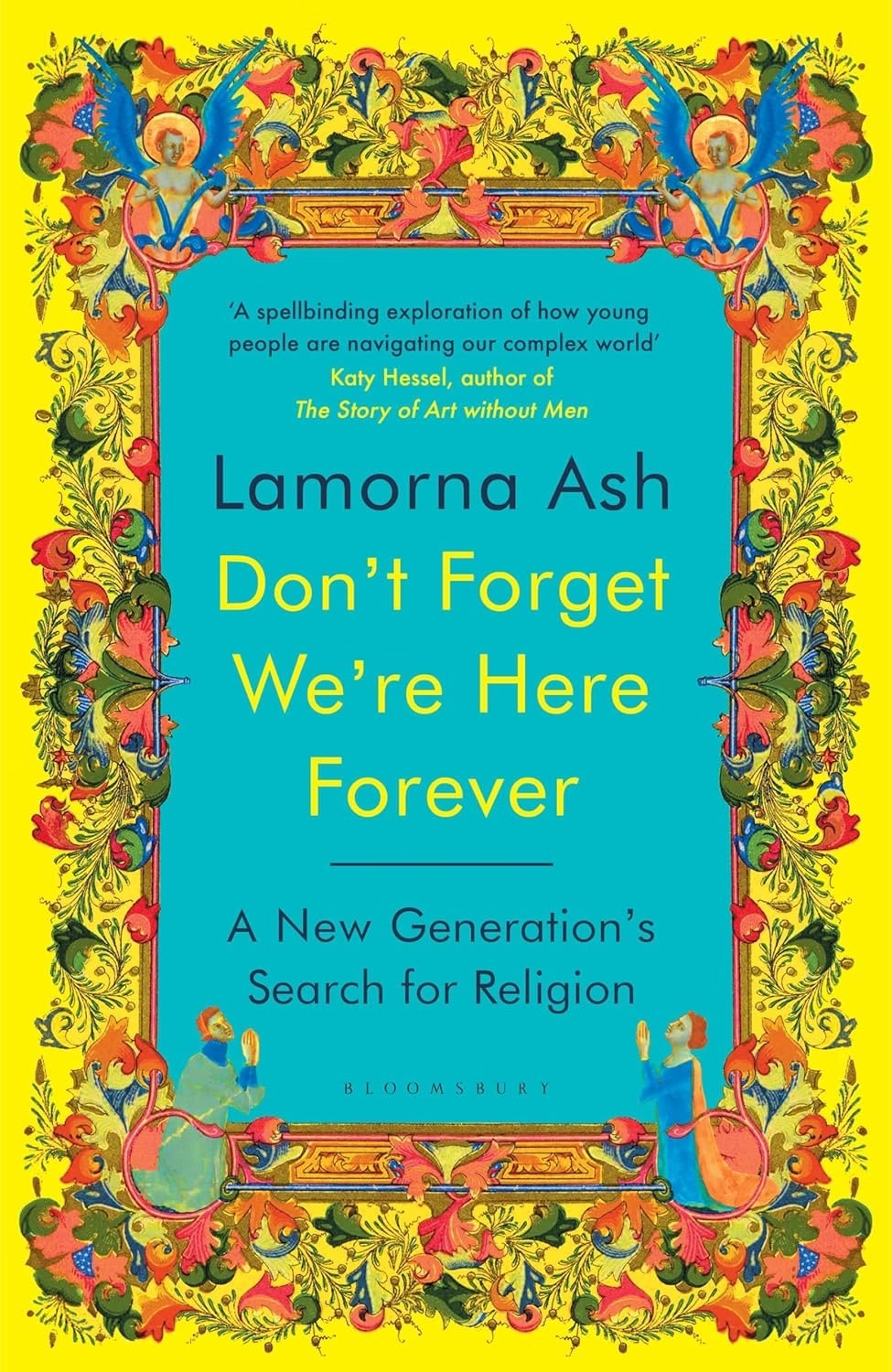
Edward Nickell reviews Lamorna Ash’s Don’t Forget We’re Here Forever, in which she meets some sixty young Christian converts and reflects on her own search; he notes the claimed ‘quiet revival’ was retracted.

Edward Owen describes living Franciscan vows as a Third Order tertiary: three aims, ways of service and notes, with love, simplicity, reconciliation and equality as ethical commitments, on the 800th anniversary of St Francis’s death.

Introduces ‘lived religion’ as a field in sociology and practical theology, covering Le Bras, Orsi and Gräb, and religion understood as individual meaning-making in everyday life. Launches a Sofia column of that name.

Sister Isabel Smyth recounts a lifetime of interfaith engagement, including Hindu scriptures, Christian-Buddhist encounters and retreats with Thich Nhat Hanh, and concludes that doctrines are inadequate expressions of a shared Mystery.

Rupert Wegerif argues that schooling has produced a crisis of meaning and proposes using generative AI and dialogic education in RE for reflection and a global conversation about what gives life meaning.

In the first ‘Religion in my Life’ interview, community organiser Tom Bulman describes meditating in a Thai Buddhist monastery and his agnostic, nature-centred outlook. A reprinted letter from his father, John Bulman, discusses the Buddhist idea of no-self.

Poem by a hitch-hiker waiting hours at a motorway service station, noticing bushes, flowers, sun and the moon, and trusting that someone will eventually stop, with a Habakkuk epigraph.
Linda Woodhead places Don Cupitt and Sea of Faith in context: the decline of the churches and the growth of holistic spirituality. She argues Cupitt addressed neither trend, but his ascetic, self-giving ethic remains valuable.
Two poems by George Herbert: ‘Avarice’, on the corrupting power of money, and ‘Prayer (1)’, a string of images for what prayer is.