Lynda Gilbert, raised in an Orthodox Jewish family and now in Reform Judaism and interfaith work, describes God as the Source of life and interconnection. She disagrees that God is a human creation.
Religion in my Life: Lynda Gilbert
read more

Lynda Gilbert, raised in an Orthodox Jewish family and now in Reform Judaism and interfaith work, describes God as the Source of life and interconnection. She disagrees that God is a human creation.
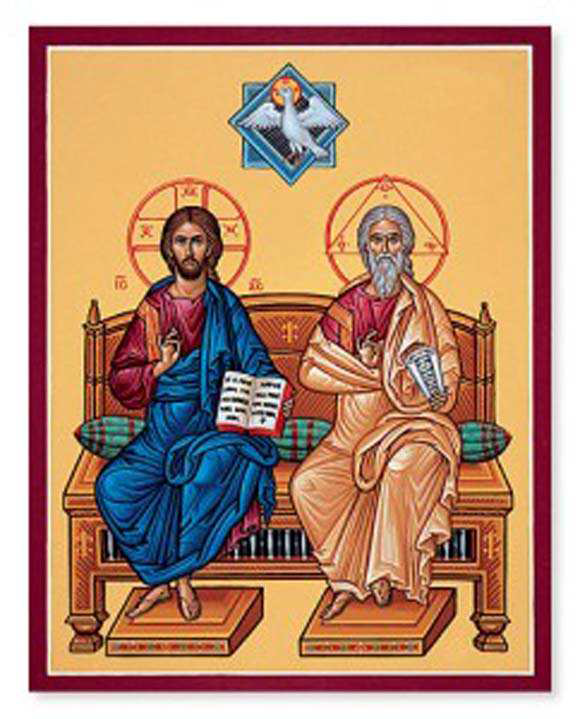
Explains what ‘seated at the right hand of the Father’ means in the Creed, as honour, power, permanence, rest, sovereignty and judgement, and argues it is metaphor rather than a statement about location.
Letter from Stephen Mitchell arguing that Church of England bishops no longer believe in an interventionist God ‘out there’ and should say so, to free the Church from an oppressive image of God.
Edward Nickell reviews Harvey and Woodhead’s Unknowing God, essays on how theology itself can be abusive, with chapters on resurrection and on environment; he sees it as a warning to the church.

Review of Maria Francesca French’s Reconfiguring, forty short reflections on post-Christian and radical theology, language about God, accepting human responsibility, and whether radical theology can replace religious consolation.
Tony Windross traces the history of Harvest Festival and asks whom non-realists thank at it. He argues that gratitude should lead to concern for the poor, citing the gleaning laws in Leviticus.
Review of Richard Rohr’s Jesus’ Alternative Plan, on the Sermon on the Mount. The reviewer values its social reading but objects that Rohr assumes a benevolent God without reimagining what ‘God’ means.
Robert Boucnik, after reading Don Cupitt’s Taking Leave of God, argues that science leaves unanswerable mysteries and that religion rests on awe, not morality alone. He says Cupitt argues God out of existence instead of favouring an impersonal God.
A poem arguing that Yahweh, Christ and the Greek gods are products of human imagination, personifications and metaphors, whose mythic stories remain a common treasury to be sifted for wisdom.
David Lambourn reviews Harvey and Woodhead’s Unknowing God, essays by a Catholic and an Anglican on theology implicated in abuse, the unknowing of God, faith as trust, and metaphor in religious language.