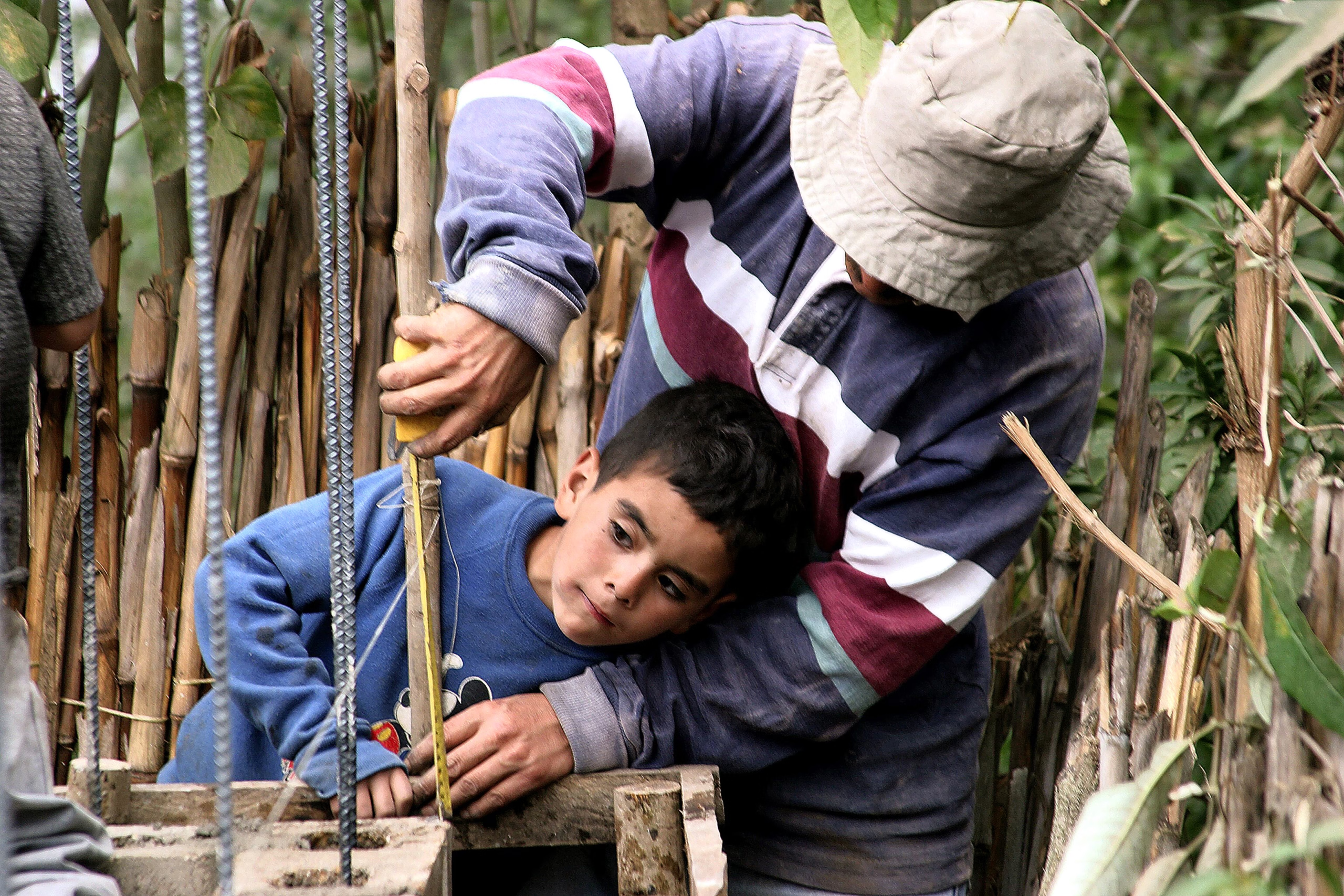
A photograph by Cliff Polubinsky of a father teaching his son masonry on a Habitat for Humanity build in Guatemala, offered for contemplation as ‘visio divina’ on love in this world.
The Guatemala Masons (2004)
read more

A photograph by Cliff Polubinsky of a father teaching his son masonry on a Habitat for Humanity build in Guatemala, offered for contemplation as ‘visio divina’ on love in this world.
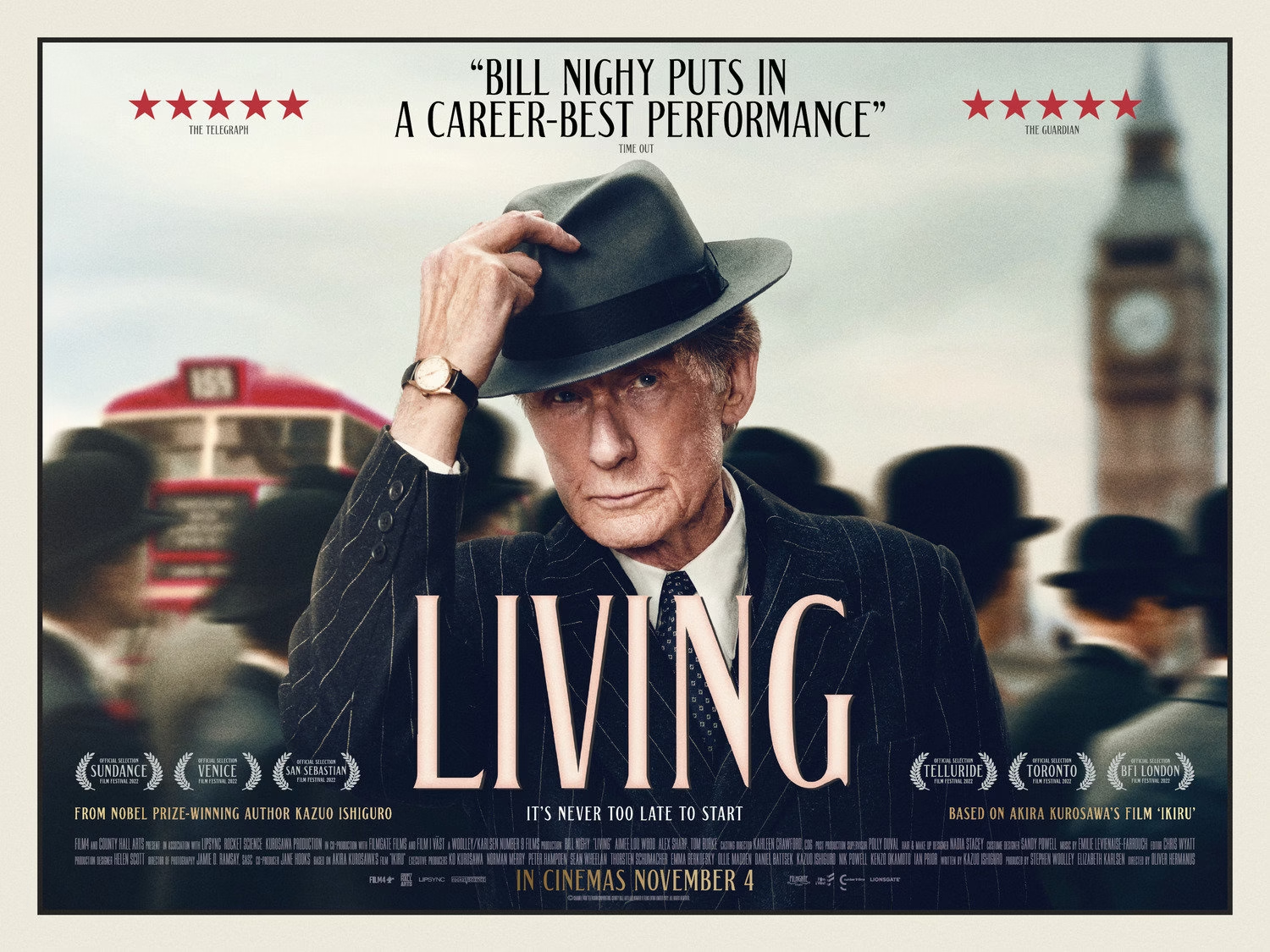
Ross McCrory reviews the film Living (2022), in which a dying bureaucrat builds a children’s playground, reading it as a lesson in agapeic love, community and living fully now.

Paul Overend compares Nygren’s agape versus eros, C.S. Lewis’s four loves and Erich Fromm’s humanistic Art of Loving, concluding Fromm’s non-theistic account best fits today.

Edward Owen describes living Franciscan vows as a Third Order tertiary: three aims, ways of service and notes, with love, simplicity, reconciliation and equality as ethical commitments, on the 800th anniversary of St Francis’s death.

Christiane van Duuren describes volunteering at the Tent of Nations, a Palestinian farm near Bethlehem under settler pressure, and the Nassar family’s nonviolent, active hope despite court obstruction and occupation.

Critique of consumerism: advertising, addictive products, obsolescence and debt drive overconsumption, with costs to health and the planet. Sharing, kindness and simpler living are offered as alternatives.

David Chapman interviews Fidele Mutwarasibo, a Rwandan genocide survivor, on hope without bitterness, the Ubuntu worldview of ‘I am because we are’, Western individualism, migration, and protest versus persuasion.

The author proposes a five-point framework for judging the ethics of protest and pressure tactics, separately from their aims. It asks about legitimate aims and targets, fair and proportionate tactics, consequences, and who the campaigners are.
Edwin Salter argues that consumerism, addictive products, obsolescence and debt harm people and the planet. He recommends sharing, reduced consumption, useful skills and kindness as ways to a better life.
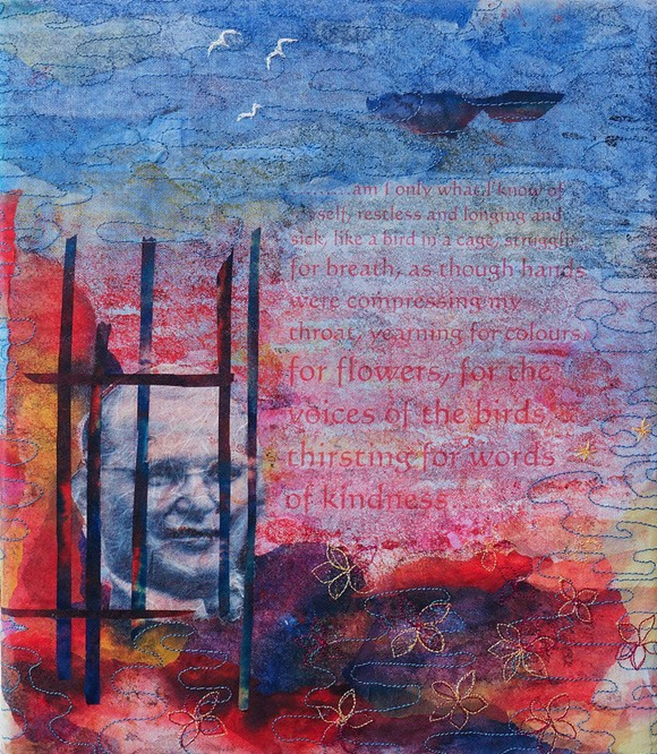
Examines Bonhoeffer’s theology: Christ at the centre, commitment to this world, responsibility rather than ‘the good’ in ethics, and ‘religionless Christianity’ in a world come of age; the author does not share his realism.