Dave Francis describes the Network’s work in religious education: the rise of the ‘nones’, the Solarity materials for clubs and schools, the Big Ideas for RE programme, and contributions to BBC Bitesize.


Dave Francis describes the Network’s work in religious education: the rise of the ‘nones’, the Solarity materials for clubs and schools, the Big Ideas for RE programme, and contributions to BBC Bitesize.

Edward Nickell reviews Lamorna Ash’s Don’t Forget We’re Here Forever, in which she meets some sixty young Christian converts and reflects on her own search; he notes the claimed ‘quiet revival’ was retracted.

Ernst Bloch’s philosophy of hope: he reads the Bible politically, treats atheism as the precondition of messianic hope, and values religion as a source of ‘concrete utopia’. Contrasted with Moltmann’s theology of hope.

Review of David McRaney’s How Minds Change, which describes deep canvassing and street epistemology as ways of persuading people through rapport and listening. The reviewer sees uses for them in local groups.

In the first ‘Religion in my Life’ interview, community organiser Tom Bulman describes meditating in a Thai Buddhist monastery and his agnostic, nature-centred outlook. A reprinted letter from his father, John Bulman, discusses the Buddhist idea of no-self.
Matthew Arnold’s ‘Dover Beach’, in which the retreat of the ‘Sea of Faith’ stands for the decline of religious belief and the speaker turns to human love in a dark world.
Linda Woodhead places Don Cupitt and Sea of Faith in context: the decline of the churches and the growth of holistic spirituality. She argues Cupitt addressed neither trend, but his ascetic, self-giving ethic remains valuable.
Responds to the new atheists by proposing that religious groups be judged by agreed criteria of constructive or destructive behaviour, an idea of the late Kit Widdows, rather than by belief.

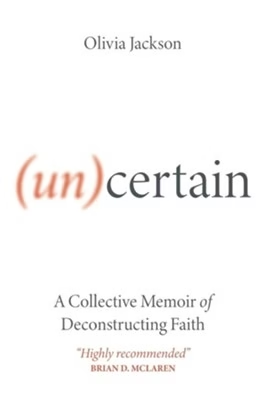
Review of Olivia Jackson’s (Un)certain, a collection of ex-believers’ accounts of losing faith, mostly from American evangelical backgrounds. The reviewer finds the stories revealing but narrow, and notes the shaming and control they describe.
Edward Nickell describes his path from militant atheism in Northern Ireland to the Network. He argues that religious ritual, music and tradition matter beyond literal belief, and considers church decline and the Network’s future.