A photograph by Cliff Polubinsky of a father teaching his son masonry on a Habitat for Humanity build in Guatemala, offered for contemplation as ‘visio divina’ on love in this world.
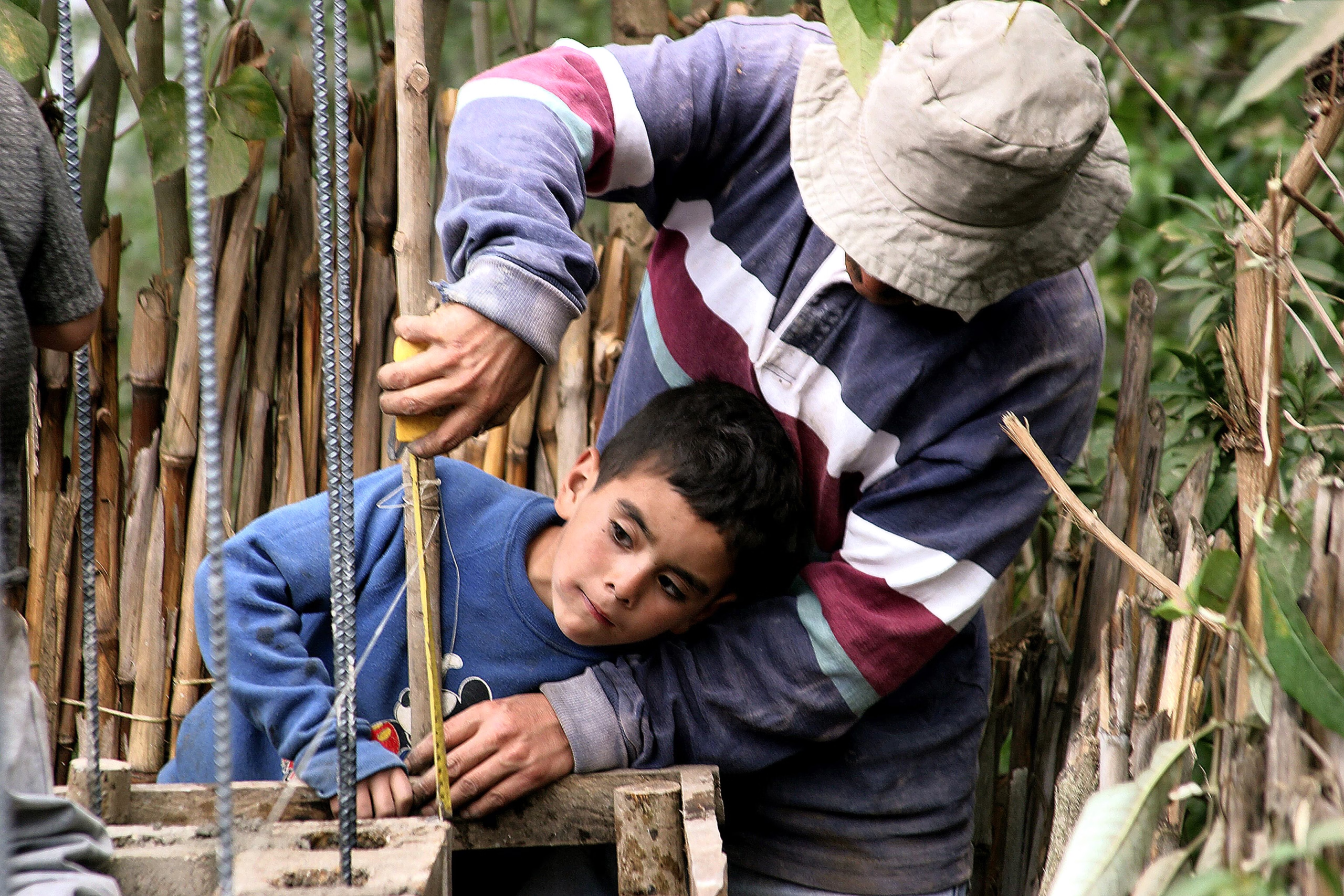
The Guatemala Masons (2004)
read more

A photograph by Cliff Polubinsky of a father teaching his son masonry on a Habitat for Humanity build in Guatemala, offered for contemplation as ‘visio divina’ on love in this world.
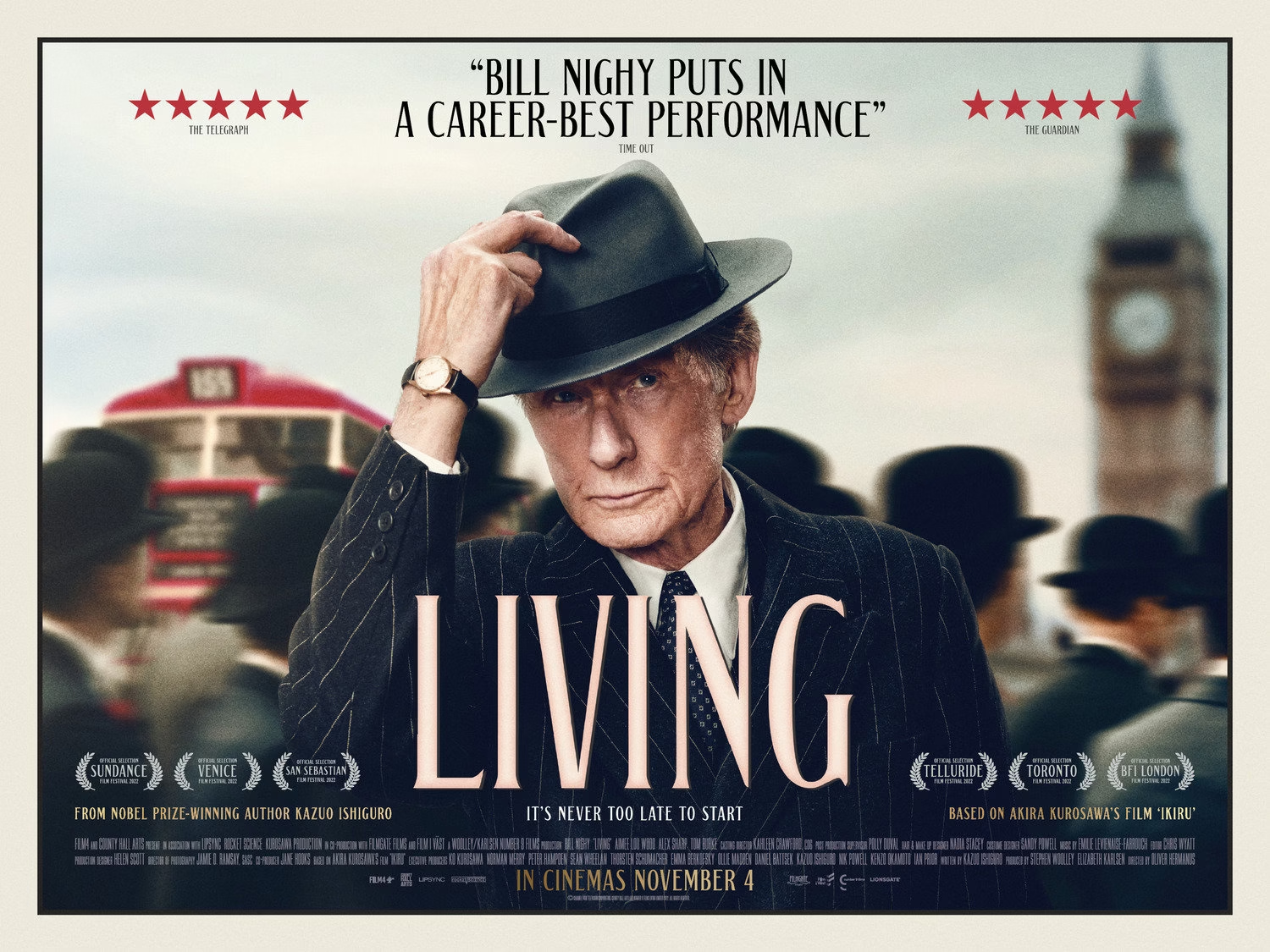
Ross McCrory reviews the film Living (2022), in which a dying bureaucrat builds a children’s playground, reading it as a lesson in agapeic love, community and living fully now.

David Rhodes reviews Orlando Reade’s What in Me is Dark, which traces how revolutionaries from Jefferson to Malcolm X and Castro read Milton’s Paradise Lost, from Blake to the Mardi Gras krewes.
Poem recalling a visit to Malmesbury Abbey, the medieval masons’ hidden faces, and an orchestra rehearsing Finzi’s clarinet concerto in English light.
William Blake’s Plate 11 from The Marriage of Heaven and Hell: ancient poets gave objects gods, priesthood later literalised them, and men forgot that all deities reside in the human breast.
Two extracts from Blake’s Jerusalem: a vision of Jerusalem’s golden pillars standing among the fields of north London, and the line that in his exchanges every land shall walk, building Jerusalem together.
Stephen Mitchell, a retired priest, discusses music and religion. Music is ubiquitous and sacred in a non-supernatural sense, and joins religion through liturgy as shared work. He also defends hymn-writing and urges more thought in using music in worship.
The author describes how music, especially Bach, Brahms and Schubert, has come to fill the place God once occupied. She sets out how music can hold displaced meaning: release from self, a different sense of time, and more.
Katie Hainbach, Head of Music at Alyth Reform Synagogue, describes music in Reform Jewish worship: its history, styles, cantillation, work with dementia patients, children and interfaith groups.
In his final As I Please column, John Pearson reflects on saying goodbye: a last visit to an elderly great-aunt, wartime songs, famous last words and a comic parody of Brief Encounter.