Sofia
One Humanism? Many Humanisms
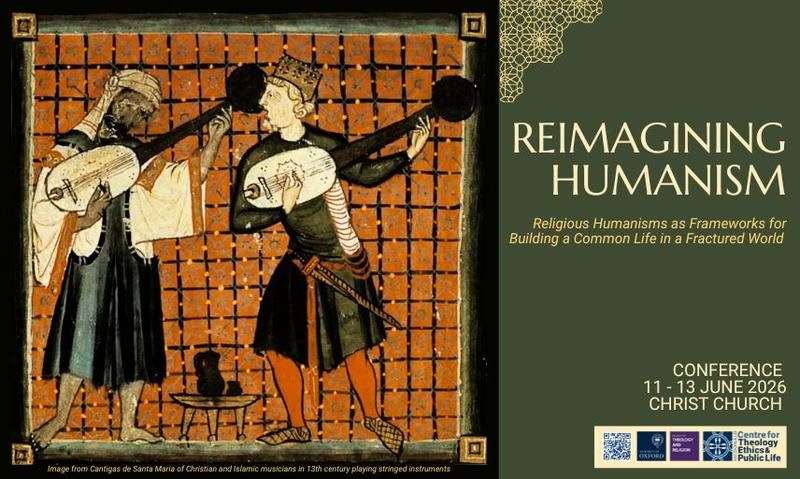
Martin Spence reports on an Oxford conference on religious humanisms, covering Islamic and African Christian perspectives, and says it led him to reconsider his view that humanism has a single historical meaning.


Martin Spence reports on an Oxford conference on religious humanisms, covering Islamic and African Christian perspectives, and says it led him to reconsider his view that humanism has a single historical meaning.
In this conversation we explored the nature of magic and magical thinking, and considered
why so many people find it so attractive.
Examines Bonhoeffer’s theology: Christ at the centre, commitment to this world, responsibility rather than ‘the good’ in ethics, and ‘religionless Christianity’ in a world come of age; the author does not share his realism.
Outlines the life of Dietrich Bonhoeffer, from the Confessing Church and the Abwehr plot against Hitler to his execution in 1945, prompted by a film that the author says invents episodes.
Short biographies of the twelve members of the Network’s new Steering Group set up in 2024, including the Chair, Secretary, Treasurer and editor, with their backgrounds and routes into the Network.
Martin Spence reports on the Gladstone’s Library conference on the Sea of Faith series, questions its individualism, and suggests Jessica Eastwood’s ‘spectrum’ of views on divinity and reality could reopen theology in the Network, using...
In our June session, Ian Stubbs introduced the topic ‘Assisted dying – My Death, My Decision’
Why is it that people who never worship in church can still love church buildings? Martin Spence explores these puzzling questions.
Martin Spence answers Terry Eagleton’s claim that society needs religion for transcendent value, arguing that humans have a general transcendent impulse and religion is one response to it, supporting ‘religion is a human creation’.
Martin Spence reviews Dancing with Mortality by Bert Clough.