
Nygren’s Agape and Eros, Lewis’s The Four Loves, and Fromm’s The Art of Loving
The early twentieth century produced radically different theological engagements with love in response to a crisis of cultural change.
Among the most influential explorations of love were Anders T.S. Nygren’s Agape and Eros (1930; 1936; English translation, 1953), Clive S. Lewis’s The Four Loves (1960), and Erich S.P. Fromm’s The Art of Loving (1956). They all insist that love confronts the deepest questions of human existence. Their answers differ because they arise from distinct theological, philosophical, and social assumptions about human nature, desire, transcendence, and God.
Anders Nygren
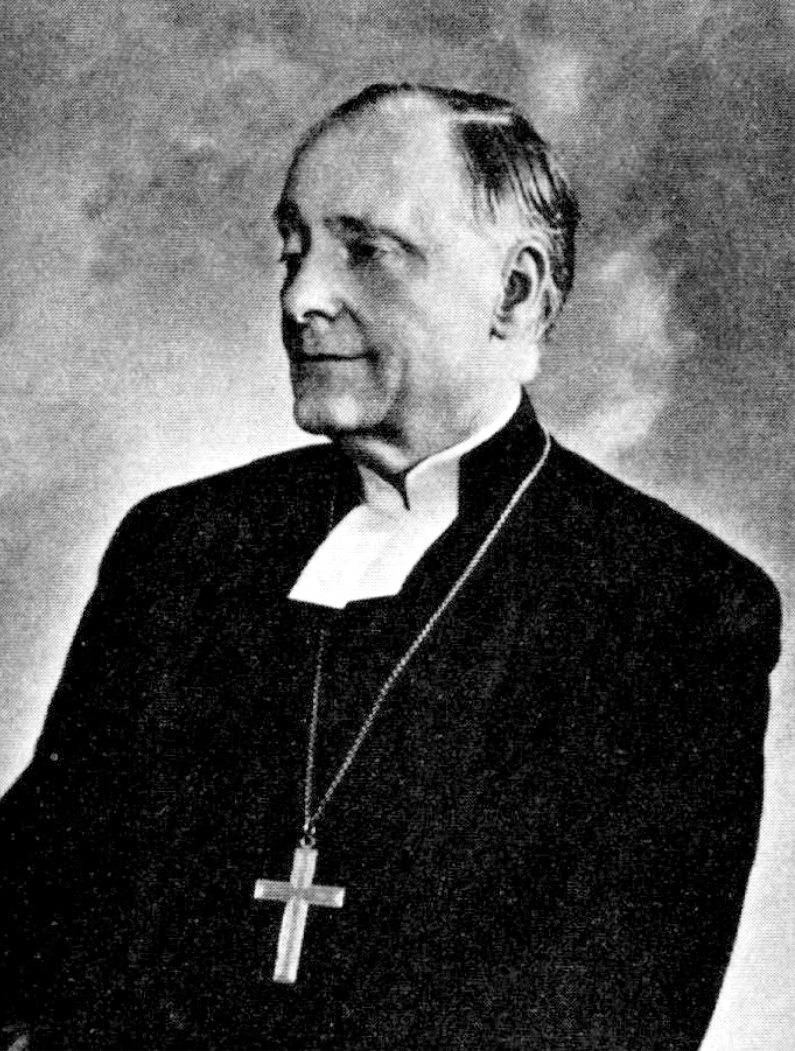
The Swedish Lutheran theologian and bishop, Nygren, argues for an understanding of Christian love, agápē, that is set in opposition to the Greek notion of love, éros.
His book Agape and Eros: a study of the Christian idea of love, identifies éros, nomos, and agápē motifs as characteristic of Hellenism, Judaism, and Christianity, respectively. While all three are present in Christianity, he considers agápē to be the distinctive Christian conception of love, whereas the nomos (law) motif reflects Jewish influence on the Apostolic Fathers and Christian Apologists, and the eros motif reflects Greek influence on Patristic Christianity and later mysticism.
Éros, Nygren explains, is found in Greek mystery religions and philosophy, and is exemplified in the ascent of the soul in Plato’s Symposium. In Nygren’s account, this ascending éros is acquisitive: it seeks fulfilment, beauty, perfection, or union. It is motivated by the value of its object, desires what it lacks, and aims at the satisfaction or completion of the lover.
In contrast, agápē is spontaneous, selfless, and value-creating through love. It doesn’t respond to value but creates it. Agápē reflects God’s love for humanity, characterised by grace, a divine gift. God does not love us because we are worthy; we are justified because God loves us. Thus, agapē is a moral ideal, modelling self-giving, self-transcending, sacrificial love that arises from love itself, not desire or need.
Nygren interprets Christianity as a revolution in the history of love. He rejects attempts to synthesise éros and agápē in spirituality, and so criticises Augustine of Hippo and later mysticism for importing Greek metaphysics and neoplatonic yearning into Christianity. In Nygren’s view, the desire for completion, union, or joy is self-motivated, or even selfish. But human beings do not ascend towards God through striving, or by the longing love (as in The Cloud of Unknowing); rather, love is God’s initiative, and is demonstrated by Jesus. This theological position reflects a Protestant emphasis on sola gratia: salvation originates entirely in God’s goodness and initiative, a grace directed towards the unworthy sinner.
Nygren’s work is shaped by his Lutheran background. It emphasises the distinction between law and grace, justification by divine grace alone, God’s love independent of human worth, and the prioritisation of the New Testament over church history. His work reflects the Protestant discontinuity between divine holiness and fallen humanity.
Nygren’s characterisation of Judaism as law (nomos) and his opposition of agápē and éros are problematic, however. Regarding Judaism, he overlooks covenant love and mercy in the Hebrew Bible. And in the Greek Septuagint translation of the Hebrew scriptures, agápē translates a variety of Hebrew words for love. Agápē is used, for instance, in the Song of Songs where it conveys the longing of éros:
By night on my bed I sought him whom my soul loves: I sought him, but found him not; I called him, but he hearkened not to me.
Song of Songs, 3.1
In Christianity, divine love models and commands ethical self-giving, but when natural desire and delight, longing and passion are removed from love, this ethic is moralistic.
C.S. Lewis
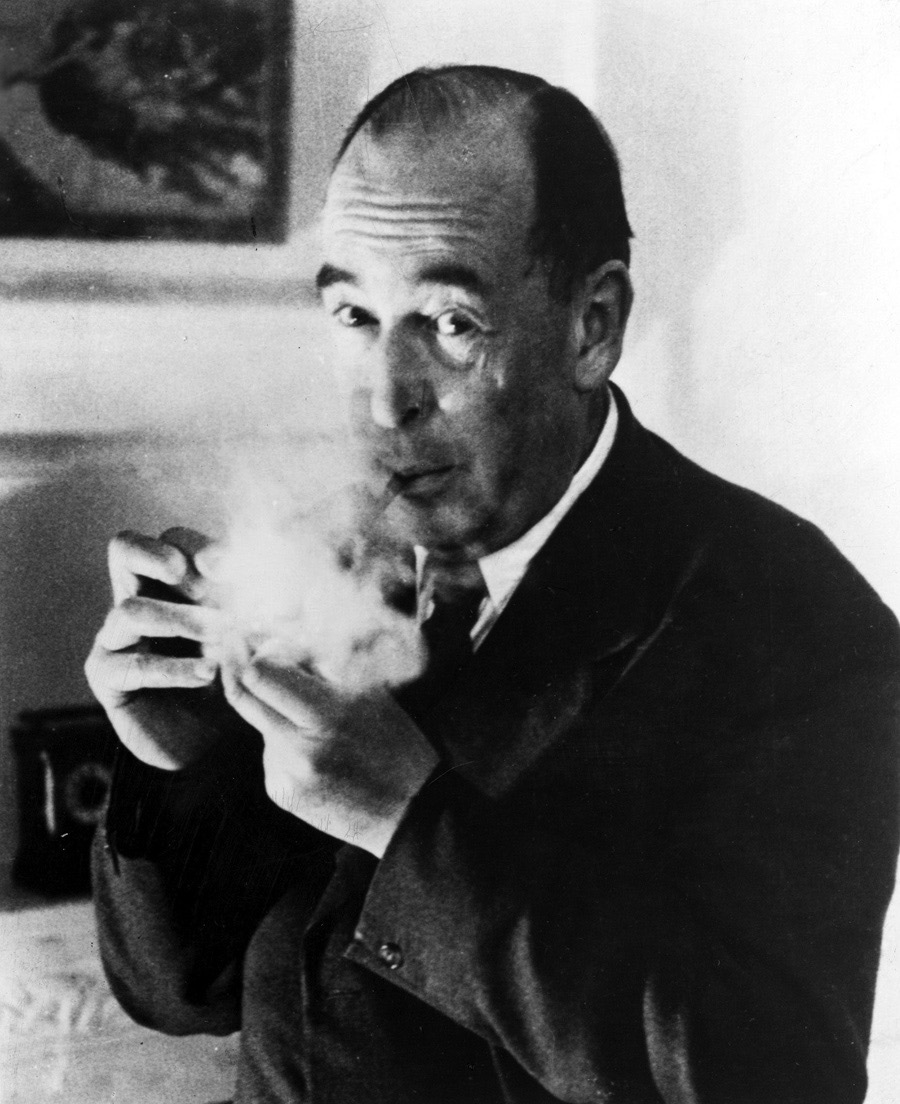
In The Four Loves, author and Anglican theologian C.S. Lewis offers an integrated account of human and divine love. Lewis explores how human affection (storgē), friendship or “brotherly love” (philia), and romantic love (éros) can participate in and be transformed by divine love (agápē).
Lewis believes natural loves are good but can become dangerous when treated as ends in themselves or substitutes for God. Romantic love can become idolatrous; friendship elitist; affection possessive. These natural loves require transformation by agápē, the highest love. Human desire is therefore not inherently a sinful, selfish striving, for Lewis: Éros can become holy when ordered and perfected by agápē.
Furthermore, human love can be the means through which divine love is mediated. In Lewis’s Anglican theology, love fulfils joy and can make creaturely desire holy when ordered rightly. Earthly beauty awakens desire for something infinite that finite objects can’t satisfy, so longing can be a sign of humanity’s orientation towards God, pointing beyond itself towards transcendence. God is the fulfilment of creaturely joy. This sacramental and participatory theological vision is closer to Augustine and Thomas Aquinas than to Lutheran dialectics. Lewis’s understanding of love preserves the emotional dimensions of religious life, with friendship, delight, beauty, and longing all becoming pathways to transcendence.
However, Lewis’s fourfold taxonomy reifies fluid phenomena. And the Greek terms are not historically reconstructed but theologically interpreted to stress the primacy of agápē, while making it ethically prescriptive.
Erich Fromm
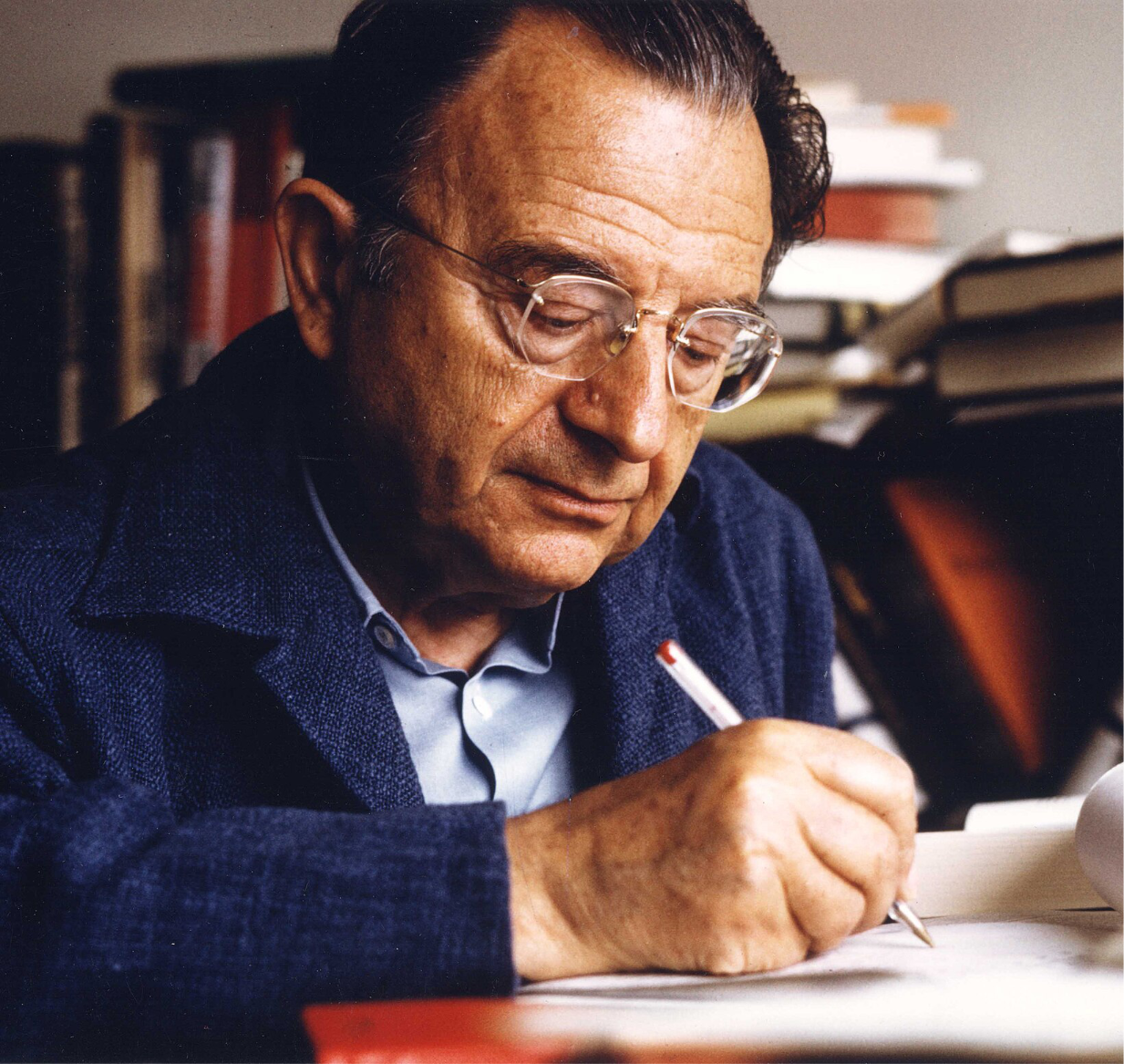
Social psychologist and psychoanalyst Erich Fromm explored the theme of love in his bestselling book The Art of Loving (1956), which has sold over 25 million copies. In it, he developed and integrated ideas he had explored earlier in The Dogma of Christ (1930) and Psychoanalysis and Religion (1950) on religion; in Escape from Freedom (1941) and The Sane Society (1955) on social psychology and Marxist social critique; and in Man for Himself (1947) on humanistic ethics.
The Art of Loving integrates and develops these themes. It considers love primarily as a relational practice, rather than through fixed conceptual distinctions, and gives attention to the social conditioning of love.
According to Fromm, love — specifically, the relatedness involved in loving well — is the answer to our existential situation, which is characterised by alienation, isolation, and narcissism. These are experienced not as the result of a sinful disordering of desire and instinctual drives, but as the outcome of market capitalism, which has a commodifying influence on “social consciousness”. But where relationships are viewed as exchanges in a “personality market”, love is sought either in submission, with people focusing on becoming lovable (marketing themselves as likeable or desirable), or in escaping isolation (through the intoxicating experience of romance or sexual pleasure), rather than in learning how to love. The consequence has been further anxiety, shame, and loneliness, rather than overcoming isolation through genuine relationships. For Fromm, love is not a passive affect or consumable experience, but an art that needs to be learned.
Genuine love is characterised by reason, love, and freedom. It involves psychological integration and is an achievement of a mature personality. A psychologically mature person transcends ego-centred isolation without destroying individuality through the learned art of love.
In Man For Himself, Fromm explores love of others and self-love, characterising genuine love as “productive” (Latin pro-ducere, ‘bringing forth’), in that it demonstrates ‘care, responsibility, respect, and knowledge’ and enables others’ flourishing. The Art of Loving extends this productive orientation from brotherly love, which is ‘human solidarity’ directed towards every human being, to motherly love, which is unconditional; to erotic love, which is exclusive; to self-love, the affirmation of one’s own life; and to the love of God, though this needs unpacking.
Like Nygren and C.S. Lewis, Fromm’s understanding of love is rooted in religion and theology. He trained in Talmud and Jewish mysticism with some of the leading Jewish thinkers in Germany before WWII, and even considered becoming a Talmud teacher, but he later abandoned theistic belief. However, he has been called a “religious atheist” because he remained a deeply religious thinker. His explorations in theology and religion include Spinoza’s philosophy, Eckhart’s mysticism, Zen Buddhism, and Daoism. He views religions, spiritualities, and worldviews as ‘frames of orientation and devotion’ that meet our existential need for meaning and purpose. (1)
In contrast to Nygren, Fromm rejects a theology of the fall and of salvation by grace, rethinking religion humanistically in terms of reason, love, freedom, and productive existence. According to Fromm, the theological notion of “grace” perpetuates a matriarchal archetype of God as unconditional love, in which the human loved one is kept infantile, rather than responsible: ‘Motherly love is love for the helpless.’ (2) So where ‘God’s love is grace, the religious attitude is to have faith in this grace, to make oneself small and helpless’. (3)
Furthermore, a morality in which unconditional love becomes an obligation reflects a conditional patriarchal archetype that fosters not mature love but a desire to please God and earn divine approval. Authoritarian religion emphasises obedience, submission, fear, guilt, and dependence on external authority. God is seen as a projection of authoritarian power. This type of religion reinforces passivity, dependency, and alienation.
By contrast, mature love is characterised by authenticity, which liberates us from both narcissism and idolatry. Commenting on Genesis 3.5b, ‘you will be like God, knowing good and evil’, Fromm interprets Eve’s “disobedience” as an act of self-liberation, the first realisation of the human capacity to become God. This recognition of awareness and choice points to a messianic orientation in prophetic striving and human self-realisation. (4) This humanistic religion is a mature stage in the evolution of religion,
where God ceases to be an outside power, where man[kind] has incorporated the principles of love and justice into himself, where he has become one with God, and eventually … speaks of God only in a poetic, symbolic sense. (5)
For Fromm, God symbolises our deepest spiritual orientation, ultimate concern, and the highest possibilities of reason and love. God is not a Being, but symbolises a way of humane love and authentic life. We are not, therefore, estranged from God by sin, but estranged from our productive potential by our contemporary political economy. ‘To love God … then, [is] to long for the attainment of the full capacity to love, for the realisation of that which “God” stands for in oneself.’ (6)
Fromm’s humanistic spirituality thus reframes salvation as love. Love overcomes alienation: it involves psychological integration and self-realisation, and contributes to productive social transformation. Such religious and theological thinking anticipates later radical theology, religious existentialism, religious humanism, and post-theistic spirituality and, today, still compliments others’ work.
Conclusion
All three writers view modern civilisation as spiritually or psychologically distorted and understand love to require a self-transformation that involves transcendence. Their disagreements ultimately arise from their differing theological conceptualisations of love, desire, care and salvation.
Nygren’s Protestant dialectical theology posits a discontinuity between God and humanity. He believes love must be free from self-seeking and locates ultimate love in God’s sovereign grace towards sinners, giving a Christian ethical ideal, that models an demanding moral requirement.
Lewis’ Christian humanism entails a sacramental participation in divine life, treating nature and grace as continuous. He believes that desire can be purified and elevated by grace, for divine love fulfils and transforms natural desire without destroying it, making human longing a pathway towards God.
Fromm’s humanism focuses on the integration of mature individuals and authentic loving relationships that overcome narcissistic isolation. Love is the art of relationship, the highest expression of mature human existence, and God is a symbol of genuine love and authentic integration.
These varied conceptualisations of love are theologically incompatible. Nygren’s and Lewis’ works have so shaped understandings of Christian love that they are taken uncritically as truisms, perpetuating their underlying theologies. However, Fromm’s work on love, religion, and mature spirituality addresses well our existential and spiritual situation today.
The renewed interest in Fromm’s work this century, reflected in biographies and publications on critical theory and psychotherapy, is a promising recognition of his contribution through his multidisciplinary writings to contemporary considerations of market capitalism, authoritarianism, nationalism, and socialism. His theological contribution to these issues merits similar recognition.
Paul Overend is the Editor of Sofia.
Photo Credits and Notes
Anders Nygren (c. 1950s), https://commons.wikimedia. org/wiki/File:Anders_Nygren.jpg [accessed 1 July 2026]
C.S. Lewis smoking by John S. Murry (c. 1957) https://commons.wikimedia.org/wiki/File:CS_Lewis_photo_on_dust_jacket.jpg [accessed 1 July 2026]
Erich Fromm (1976) by Müller-May (CC BY-SA 3.0 DE) http://commons.wikimedia.org/wiki/File:Erich_Fromm_1974.jpg [accessed 1 July 2026]
1 Erich Fromm, Man for Himself, ch. 3.1.b; Psychoanalysis and Religion (Yale, 1950), pp. 21–22; Anatomy of Human Destructiveness (Holt, Rinehart, and Winston, 1973), pp. 230–2.
2 Erich Fromm, The Art of Loving (Harper Colophon, 1956), p. 52.
3 Erich Fromm, The Art of Loving, p. 66.
4 Erich Fromm, You Shall Be as Gods: A Radical Interpretation of the Jewish Tradition (Open Road Media, 1966), ch. VI.3.
5 Erich Fromm, The Art of Loving, p. 81.
6 Erich Fromm, The Art of Loving, p. 71.