Andy Kemp reviews Clare Carlisle’s Transcendence for Beginners, which links life writing and philosophy and finds transcendence in everyday devotion and love, an approach he relates to Don Cupitt’s immanent rethinking of transcendence.
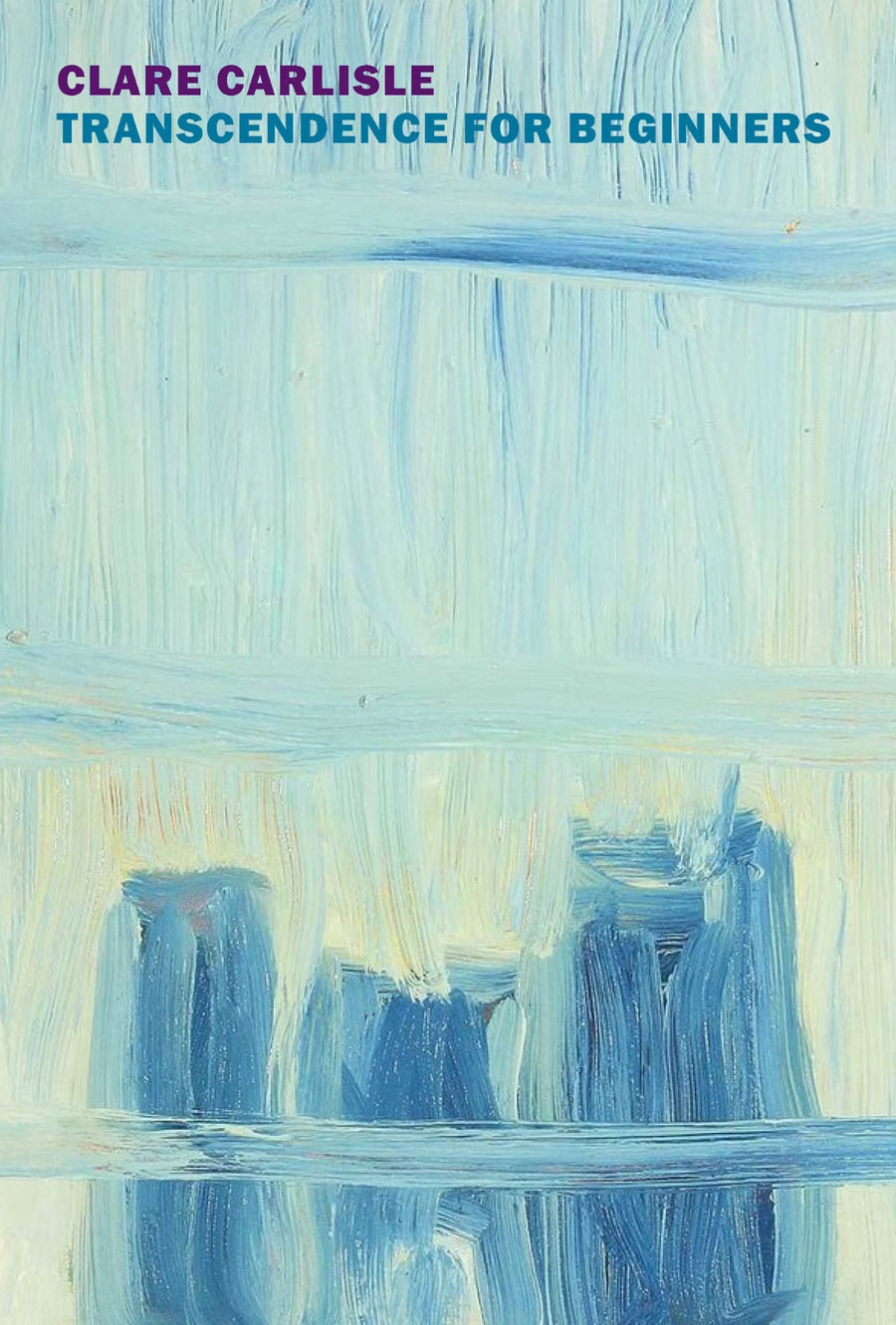

Andy Kemp reviews Clare Carlisle’s Transcendence for Beginners, which links life writing and philosophy and finds transcendence in everyday devotion and love, an approach he relates to Don Cupitt’s immanent rethinking of transcendence.

The editors list recent books on biblical studies and hermeneutics, religion and climate, philosophy of religion and mystical atheism, and the historical Muhammad, with publication details.

Ernst Bloch’s philosophy of hope: he reads the Bible politically, treats atheism as the precondition of messianic hope, and values religion as a source of ‘concrete utopia’. Contrasted with Moltmann’s theology of hope.

Introduces ‘lived religion’ as a field in sociology and practical theology, covering Le Bras, Orsi and Gräb, and religion understood as individual meaning-making in everyday life. Launches a Sofia column of that name.
Editorial marking 125 years since the 1901 liberal religious congress in London. It discusses faith and reason through Aquinas’s ‘living faith’, links this to ethics-centred religion, and introduces the issue’s contents and the new editor’s plans.
Jasbir Bhoda argues that philosophy is an activity of questioning that cannot replace religion, nor religion philosophy. He contrasts Greek philosophy with Ancient Indian soteriological thought, citing Wittgenstein.
A Worldviews Navigator column on the phrase ‘What I don’t understand is…’, suggesting it hides unwillingness to think through causes. It cites Cupitt on religious upheaval and the Air India ‘miracle’ survivor.

A member responds to SoF’s new tag-line by arguing that the Network should stick to religion rather than add philosophy and worldviews. The piece ranges over Kant, Marx, the Church of England and how ‘religion’ translates across cultures.

Edward Nickell reviews The Covid Pandemic and the World’s Religions, in which 30 contributors from 14 religions describe their faith’s response, and criticises the contributors’ answers on why God allowed the pandemic.

Argues that the kingdom of God can be understood without supernatural claims, as the world as it would be under God’s rule, while asking whether non-realist religious language differs from no God at all.