Andrew Edgar reviews Paul Kingsnorth’s Against the Machine, which blames technological modernity for destroying meaning, place and humanity, and judges it important but too conservative, hyperbolic and insensitive on transgender people.
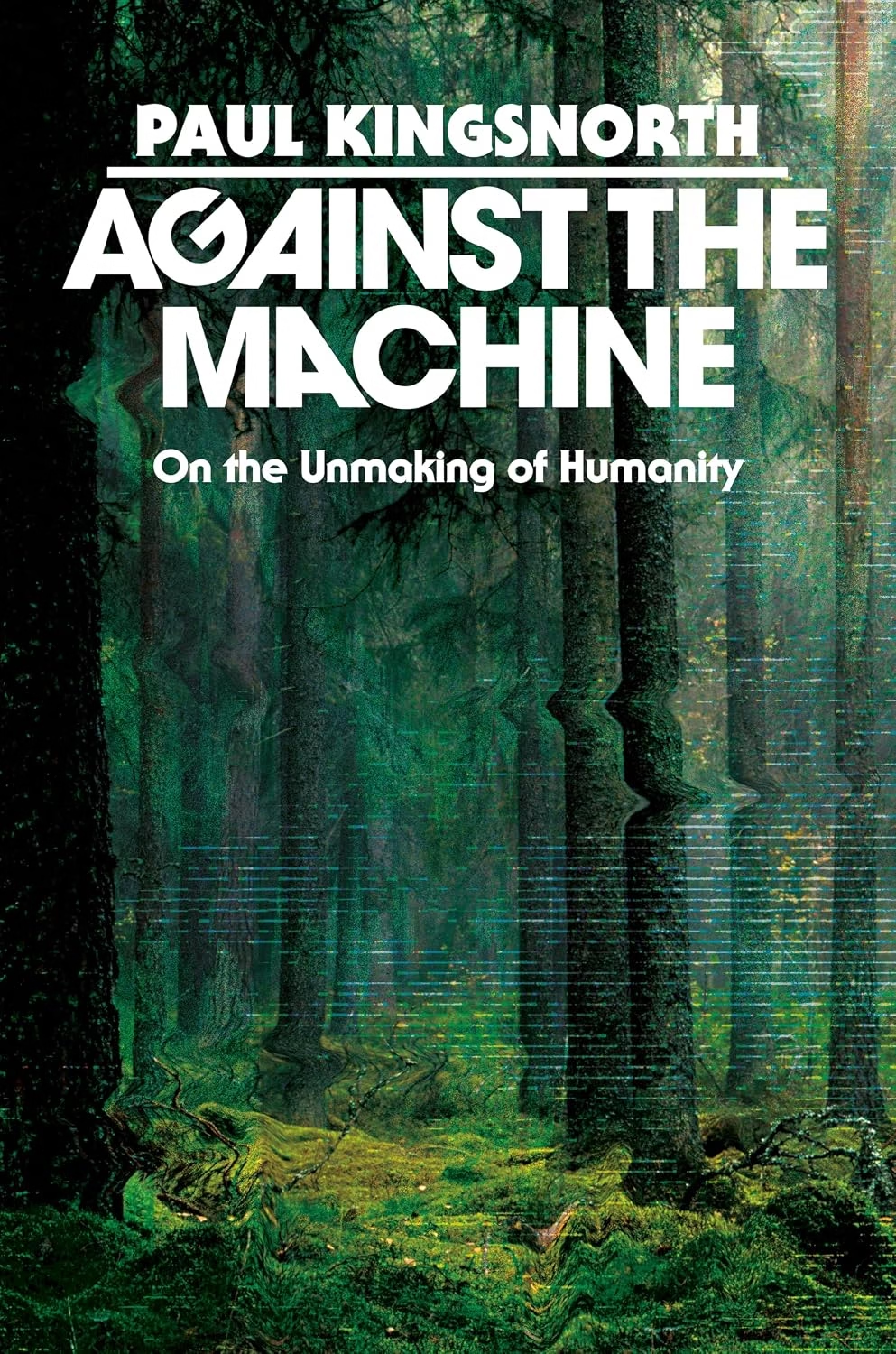

Andrew Edgar reviews Paul Kingsnorth’s Against the Machine, which blames technological modernity for destroying meaning, place and humanity, and judges it important but too conservative, hyperbolic and insensitive on transgender people.

The editors list recent books on biblical studies and hermeneutics, religion and climate, philosophy of religion and mystical atheism, and the historical Muhammad, with publication details.

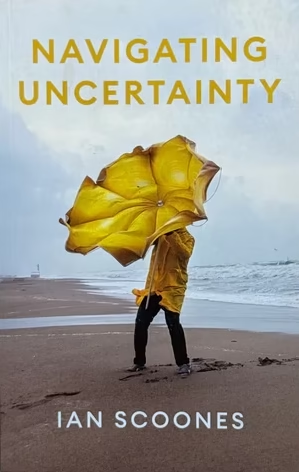
Review of Ian Scoones, Navigating Uncertainty (2024). Scoones argues that small farmers and traders in Africa and Asia cope with uncertainty better than top-down planners, and the reviewer finds the case studies strong but the closing generalisations vague.

Critique of consumerism: advertising, addictive products, obsolescence and debt drive overconsumption, with costs to health and the planet. Sharing, kindness and simpler living are offered as alternatives.
John Pearson weighs the efficacy of climate and other protest, drawing on Jonathan Porritt: free speech and law, civil dissent versus disobedience, direct action, Palestine marches, and whether protest changes anything.
Edwin Salter argues that consumerism, addictive products, obsolescence and debt harm people and the planet. He recommends sharing, reduced consumption, useful skills and kindness as ways to a better life.

Poem by a hitch-hiker waiting hours at a motorway service station, noticing bushes, flowers, sun and the moon, and trusting that someone will eventually stop, with a Habakkuk epigraph.

Elizabeth Barrett Browning’s poem of a grey evening walk beside the sea, in which nature’s heartbeat is felt as bound to human feeling and the walkers share a quiet sadness.

Poem by Dinah Livingstone about sitting among the roses in a London park, chatting with people from everywhere, and finding fellowship and life in shared flowers and conversation.
A reply to John Pearson arguing that sustainability is an illusion because of population and human nature, drawn to Jainism and to Cupitt’s solar living as grounds for hope.